
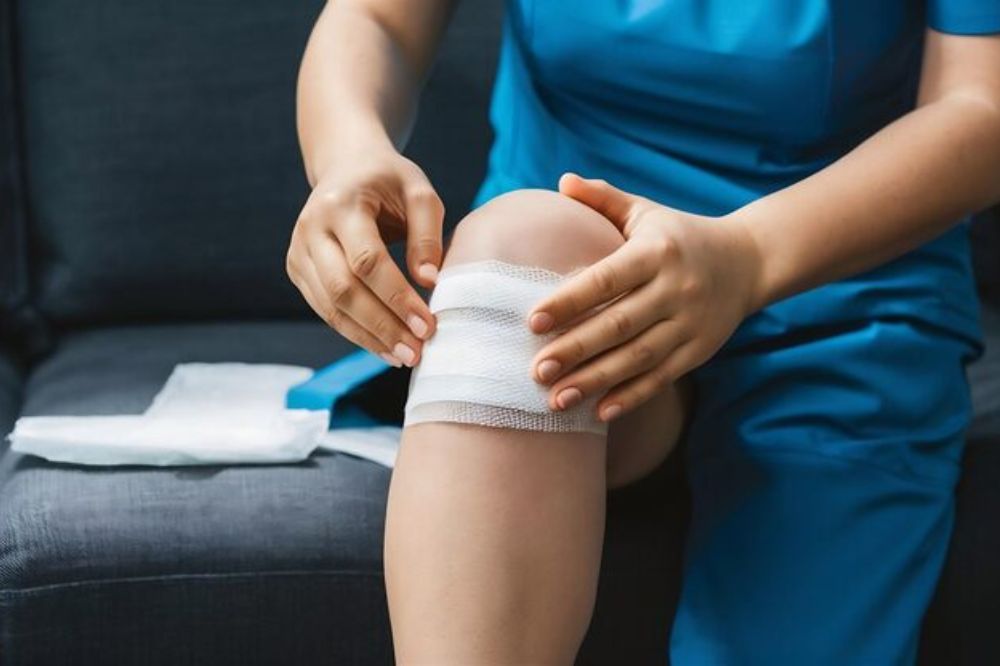
Why is early treatment important for foot wounds? Foot wounds may look small at first, but they can become serious if they do not heal properly. Many people seek advanced wound care in Inglewood because early treatment can help wounds heal faster and lower the risk of infection. Advanced wound care supports the body’s natural healing process while helping protect the wound from further damage.
Foot health is especially important because foot wounds are often subjected to constant pressure from standing and walking. Proper treatment can help prevent complications and support long-term mobility.
What Is Advanced Wound Care?
Advanced wound care uses special methods to help wounds heal.
These may include:
- Checking the wound
- Cleaning the wound
- Using special bandages
- Preventing or treating infection
- Reducing pressure on the wound
- Checking healing progress regularly
The goal is to help the wound heal properly and prevent problems.
Why Are Foot Wounds a Serious Concern?
The feet experience daily stress from movement and weight-bearing activities. Because of this, wounds on the feet may take longer to heal than wounds on other parts of the body.
Untreated wounds can lead to:
- Infection
- Increased pain
- Tissue damage
- Delayed healing
- Mobility challenges
Early treatment often helps prevent these problems from worsening.
What Causes Foot Wounds?
Foot wounds can develop for many reasons.
Common causes include:
- Cuts and scrapes
- Blisters
- Pressure points
- Foot deformities
- Poor circulation
- Injuries from ill-fitting footwear
Some wounds may start small but gradually worsen if not treated properly.
How Does Advanced Wound Care Support Healing?
Advanced wound care focuses on addressing factors that may interfere with recovery.
Treatment plans often help by:
- Keeping wounds clean
- Protecting healthy tissue
- Managing moisture levels
- Reducing pressure on the wound
- Monitoring healing progress
These steps can improve healing conditions and reduce complications.
Why Is Infection Prevention Important?
One main goal of wound care is to prevent infection.
Signs of infection may include:
- More redness around the wound
- Swelling
- Skin feeling warm
- Fluid is coming from the wound.
- Bad smell
- More pain or discomfort
An infection can slow down healing. Getting care early can help reduce the risk of problems.
How Does Pressure Affect Foot Wounds?
Pressure is one of the most common reasons wounds heal slowly.
Walking and standing place repeated stress on the injured areas. Continuous pressure may:
- Delay healing
- Cause skin breakdown
- Increase irritation
- Worsen existing wounds
Advanced wound care often includes methods to reduce pressure and protect vulnerable areas.
Who May Benefit From Advanced Wound Care?
Some people may need special wound care, including those with:
- Wounds that heal slowly
- Foot sores that keep coming back
- Blood flow problems
- Foot injuries
- Skin that keeps breaking down
If you are looking for a podiatrist in Inglewood, a wound check can help find reasons why a wound is not healing properly.
What Happens During a Wound Care Evaluation?
A thorough assessment helps determine the best treatment approach.
The evaluation may include:
- Examining the wound
- Measuring wound size and depth
- Checking the surrounding skin
- Assessing circulation
- Reviewing medical history
- Discussing symptoms
This information helps create a personalized treatment plan.
How Do Specialized Dressings Help?
Modern wound dressings do more than cover a wound.
They can help:
- Keep the right moisture level.
- Protect the wound from dirt and germs.
- Help the new skin grow.
- Reduce irritation
- Create a better environment for healing.
Different wounds may need different types of dressings.
Can Advanced Wound Care Help Prevent Complications?
Yes. Early treatment often helps reduce the risk of serious foot complications.
Potential benefits include:
- Faster healing support
- Reduced infection risk
- Improved comfort
- Better mobility
- Protection of healthy tissue
The sooner treatment begins, the easier it may be to manage the wound effectively.
When Should Professional Care Be Sought?
A podiatrist near you should check a wound if it:
- Does not get better
- Shows signs of infection
- Causes a lot of pain
- Gets bigger
- Opens again and again
If you are looking for advanced wound care near you, early care can help prevent more serious problems.
Protect Foot Health With Early Wound Care!
Proper wound care can help wounds heal better and support long-term foot health. Getting treatment early, following care instructions, and having regular checkups can help lower the risk of complications. Schedule an appointment today to get expert wound care and support for healthier feet at Legacy Foot & Ankle Center.
FAQs
How long does a foot wound take to heal?
Healing time depends on the size and location of the wound, your overall health, and the speed of treatment.
Can an untreated foot wound become serious?
Yes. Without treatment, a foot wound can become infected, take longer to heal, and lead to more serious problems.
Why do some foot wounds heal slowly?
Factors such as pressure, poor circulation, infection, and repeated irritation can slow healing.
When should a foot wound be evaluated?
A wound should be evaluated if it is not healing, becomes painful, shows signs of infection, or continues to worsen.